Ask any kind of center supervisor that has run a live emptying and they will inform you the same point: clear visual hints conserve minutes, and minutes conserve lives. Among those cues, the chief fire warden training requirements warden hat colour does a lot of heavy training. It signifies authority, puncture noise and panic, and provides residents a centerpiece when guidelines start taking on adrenaline. Yet, confusion lingers regarding the right colours, where standards use, and just how to utilize them in real work environments with mixed uniforms, PPE, or branding guidelines.
I have actually run emptyings in offices, stockrooms, mixed-use schools, and remote websites. The very same concepts use, yet the information do not. This write-up brings together the criteria that underpin warden recognition, lessons from training structures such as PUAER005 and PUAER006, and functional ways to apply a durable emergency control organisation that functions under pressure.
The short solution on hat colours
In Australian practice aligned with AS 3745 - Preparation for emergency situations in facilities, the approved convention is:
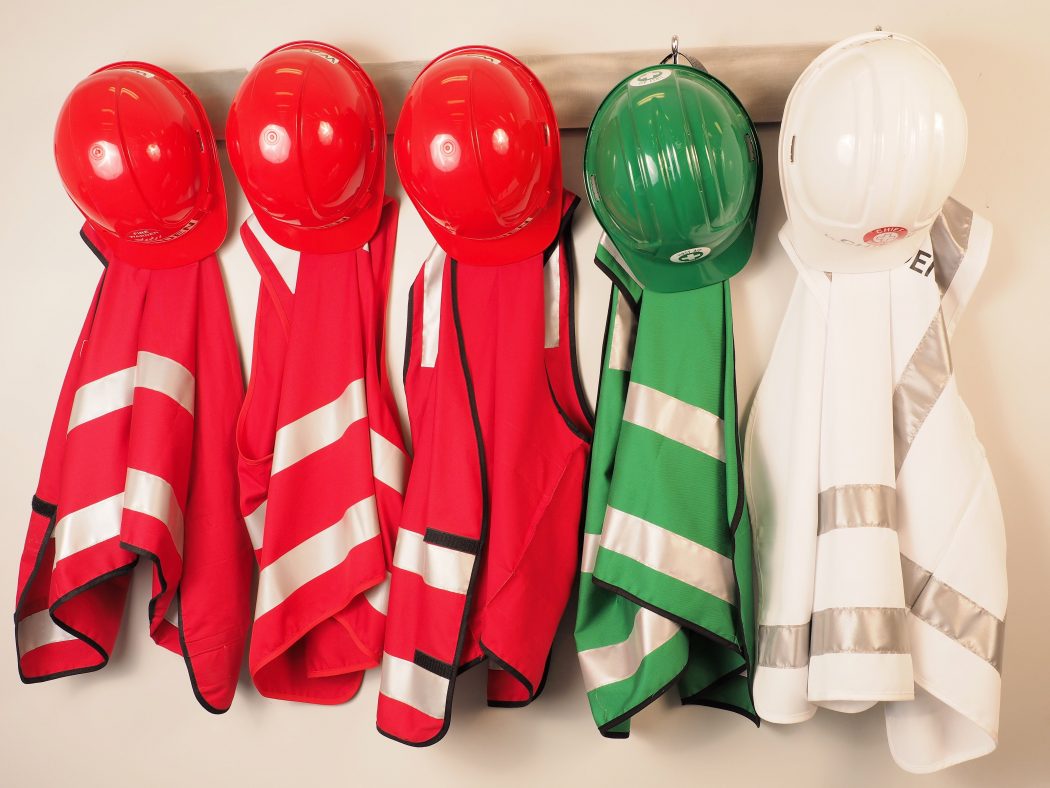
- Chief warden: White hat or helmet Deputy chief warden: White hat or helmet with a distinctive noting or second identifier Floor or area warden: Yellow hat or helmet Warden or interactions policeman: Red hat or helmet First aid policeman: Eco-friendly hat or helmet
These colours mirror lots of suppliers' basic sets, discharge layouts, and training products, and they match what people anticipate to see throughout drills. Some sites include striping, lettering, or high-visibility decals to separate duties at a glance. When international teams visit Australian sites, they commonly identify the white-for-chief pattern instantly, also if their home-country convention differs.
If your inquiry is merely, what colour helmet does a chief warden wear, the solution is white. The remainder of this write-up breaks down the why, how, and what to watch for when you use that in busy workplaces.
Where the convention comes from
Colour coding for wardens is a human aspects option. In a concerned atmosphere, people seek authority signals before they process language. High-contrast, bright colours on the head and shoulders attract the eye in congested passages or great smoky conditions. The white headgear for the chief warden sticks out versus basic high-vis yellow or orange and against darker streetwear, while still pairing with a white tabard or vest for redundancy.
AS 3745 does not mandate coloured helmets specifically. It requires that participants of the emergency control organisation be identifiable. In time, the sector converged on helmets or hats since they rest high, they are visible over heads, and they function as fundamental security during a response. Vests, armbands, collared lanyards, and marked clipboards are all valid additions. Safety helmets, nonetheless, remain one of the most trustworthy "find me rapid" device.
Training structures additionally enhance the method. The PUAER005 device (commonly detailed as PUAER005 operate as part of an emergency control organisation and typically searched as puafer005) prepares wardens to perform their features and communicate successfully with passengers and emergency situation solutions. The PUAER006 device (puafer006 lead an emergency control organisation) trains primary wardens to lead, choose, and work with the entire reaction. Both devices presume clear duty identification, and lots of authorized training organisations show the colour convention along with procedures.
Why a constant palette matters greater than the details tint
I have seen websites try to personalize hats to match company branding. It looks neat in a pamphlet, after that crumbles in a drill. Individuals grab what their minds currently relate to duties. The moment you alter red to navy or yellow to lime, you melt time re-training that organization and you raise the chance a person follows the incorrect individual during an emergency alarm or hazmat release.
Consistency sways appearances. If you acquire a site where wardens make use of vests instead of helmets, keep the colours straightened with the typical plan. If your chief warden declines a helmet as a result of hardhat fatigue on construction-adjacent sites, a white safety helmet cover, white tabard, and bold "CHIEF WARDEN" chest-back text can accomplish the very same result. The general rule: one glance, one conclusion.
Applying the criterion in different workplaces
Office towers are straightforward. Warehouse, information facilities, laboratories, and healthcare facilities add intricacy. The difficulty is integrating hat colour with existing PPE and operational rules without shedding clarity.

In storehouses with compulsory hardhats, I have actually used white hardhats completely stickered for the chief warden and deputy chief warden, and clip-on high-vis white helmet covers for designated alternates. Flooring wardens bring yellow hardhats in a clearly classified wall cabinet near the fire panel and at muster factors; numerous leave them hanging on hooks outside their areas so they do not lose time bring equipment during an alarm. Communications police officers, who commonly remain at the panel or the command blog post, generally use red vests over their workwear because they do not require the head security as much.
In healthcare facilities, white can encounter clinical uniforms. The fix is not to change chief warden to blue, yet to include strong white safety helmets paired with tabards that print role name on the other hand black, big typeface, front and back. Medical personnel respond swiftly to the duty name when an emergency code is introduced. The light discipline in wards suggests safety helmets are just donned by the reacting wardens, not all the scientific team, so exposure still works.
On construction websites, everybody uses a hardhat. The option is straight safety helmet colour positioning, with white for the principal and yellow for location wardens. Because specialists' hats vary by firm plan, the majority of major specialists add headgear sticker labels that match the standard function colours and position them front and back. Night shift adds another wrinkle; a reflective tape band matching the function colour around the headgear rim aids with torchlight visibility.
The chief warden's duty, beyond the hat
Colour gets focus, but skills maintains individuals safe. Chief warden responsibilities sit at the perimeter where details is insufficient and time is short. PUAER006 lead an emergency control organisation frames the task as management under unpredictability: size up the event, select response alternatives, straight wardens, communicate with emergency solutions, and shield individuals that might not act rationally in the moment.
Common chief fire warden duties include launching or confirming alarm feedback, evaluating information from wardens throughout zones or floorings, figuring out whether to leave, move, or shelter, controlling the circulation of individuals to prevent choke points, overseeing the roll call and missing individual acceleration, and ensuring special needs passengers get aid. In practice, that might mean holding a flooring for 2 minutes while a nearby smoke door activates to stop contamination, or diverting a warm-shell construction service provider group to support a mobility discharge on the far stairwell.
I have actually also seen chief emergency warden choices save time by shutting the loophole on false alarms quick. Water haze events in commercial cooking areas set off actuations that sound and scent dramatic. A chief warden that understands the system logic, checks the fire indicator panel background, validates with the location warden, and consults the communications officer can typically stand down securely within minutes, lessening disturbance while maintaining safety.
Building the emergency situation control organisation around capability
The best chief warden I educated begun as a floor warden that could open up a stairwell, clear a corridor, and keep a calm tone that individuals trusted. That structure came from PUAER005 and hands-on drills. When she stepped up to chief warden training, the PUAER006 program provided her the organized decision-making tools to scale her calm across a whole precinct.
Warden training should not be a tick-the-box exercise. The PUAER005 course develops the team's core skills: run as part of an emergency situation control organisation, sweep areas, utilize portable tools within plan, and report clearly. The PUAER006 course develops leadership muscle mass: lead an emergency control organisation, set priorities, escalate appropriately, manage interactions, and user interface with first responders. When the chief is trained deeply and the wardens are confident in their functions, the colour-coded hats end up being amplifiers of efficiency as opposed to camouflage for uncertainty.
For offices selecting a fire warden course or a chief warden course, ask for scenario-rich sessions and localized web content. An information center needs power-down decision playbooks. A laboratory needs spill, purification, and fume hood failure circumstances. A school requires lockdown and shelter-in-place method that factors in young trainees and split campuses. Pick trainers who press past slides, run drills that really feel a little uneasy, and debrief honestly.
Fire warden demands in the workplace
Legally, organizations have to provide secure systems of work and emergency procedures. The details vary by jurisdiction, however the pattern corresponds: have an emergency strategy, train people, practice, and maintain records. Fire warden requirements in the workplace are normally grounded in the danger profile of the facility and the variety of occupants. For a tiny single-floor office, 2 or three wardens may be sufficient. For a multi-tenant tower, each occupant requires its very own emergency warden team by flooring, plus a building-level liaison structure.
Fire warden training demands circulation from that plan. Every person needs general occupant training at induction and refresher intervals. Wardens need certain training on alarm kinds, emptying routes, manual call factors, portable extinguishers if within plan, and interaction methods. Principal wardens need command-level training and functional rundowns with the fire indicator panel, public address and caution systems, gain access to control bypasses, lifts out of service procedures, and emergency solutions entry points.
Frequency issues. Yearly refreshers are minimums. Complex websites set up drills or partial drills at the very least twice a year. Shift-based procedures repeat training per shift so the night team can execute in addition to day team. After any genuine case, immediate debrief and targeted retraining shore up vulnerable points while memory is fresh.
The hat is not a plan
I worked with a site that happily turned out new helmets, white for chief warden, yellow for wardens, red for interactions, and environment-friendly for first aid. They looked terrific. 2 months later on, a simple discharge turned disorderly since the plan had actually not resolved a padlocked side gate, and the muster point signage was faded beyond clarity. Individuals stacked into a parking lot shown delivery van. The headgears assisted the action, however they can not deal with a fundamental oversight.
Colour coding need to sit on top of a coherent emergency situation strategy. That plan establishes obligations, routes, contingencies, sets off for rise, and communication channels. It also sets the stack of physical assistances: signs, muster points, door hardware, illumination, wardens' tricks, walkie-talkies, and fallback techniques when power or network falls short. If a chief warden gets hold of a white safety helmet and a radio, they should additionally be getting hold of authority, tools, and a strategy they trust.
Selecting and maintaining gear
Helmets, vests, and accessories get tossed right into cupboards and damaged during drills. If the text is peeling off or the colour is boring, visibility drops. I recommend an easy equipment lifecycle: light-use helmets get changed every few years or after influence; sticker labels are rejuvenated yearly; reflective tape is checked each daylight saving transition; extra dimensions are available to suit different head shapes and hair quantities; and every duty has a complete collection housed in a clearly labelled cabinet alongside the fire panel and at each muster point.
Radios require equal care. Chief wardens need to have one-to-many interaction. That implies programmed channels, charged batteries, and extra units. In loud settings, a shoulder mic with a clip sits near the ear and mouth, minimizing misheard instructions. If your site makes use of electronic radios, consist of fast referral cards the size of an ID badge.
Uniform constraints emerge. Protection personnel often use dark uniforms with needed insignia. Fit white tabards over them for chief or deputy chief warden roles, rather than creating a brand-new colour. In high-risk areas where flame-resistant garments is mandated, choose FR-compliant vests and helmet devices rather than bypassing visibility.
Integration with discharge layouts and signage
People soak up patterns also when they are not listening. If your discharge representations show a white-helmet number with "Chief Warden" in the tale, you strengthen recognition long prior to the following alarm. Signs at muster points can reveal the very same duty colours and icons. During drills, narrate the colours as you orient: "Follow the white safety helmet for command, your yellow location wardens will certainly guide you to the staircases, red communications stays at the panel, environment-friendly first aid is at the muster point." After two or three cycles, also occasional site visitors will know where to look.
Common challenges and just how to avoid them
Colour without redundancy falls short in smoky or low-light problems. Fit head torches or collar lights on warden packages. Reflective strips aid with exposure when the power goes down. I likewise suggest backing safety helmet colour with function name in big font style front and back. Individuals with colour vision shortage gain from the message confirmation.
Mixed heritage equipment produces noise. If previous wardens maintained their headgears when they left, you can end up with three "chief warden" hats in a cabinet. Audit gear every three months. Collect, relabel, and assign properly. A simple sign-in/out sheet attached to the cupboard keeps it honest.
Outsourced professionals and site visitors often do not recognize your system. Induction video clips must show the colours and the gear. Reception can display warden photos with duty colours. During a drill, ask a handful of visitors who they adhered to and why. If they can not describe the white headgear or the yellow warden, you have a communication gap.
How hat colour engages with PUAER005 and PUAER006 competencies
The puafer005 course teaches wardens to run as part of an emergency situation control organisation: take directions, carry out moves, and report. The colour scheme sustains those functions by decreasing friction. A yellow-helmet warden can quickly determine the white-helmet chief in a group and supply a concise circumstance record. Brick by brick, those reports build the chief's psychological model.
The puafer006 course concentrates on management. The chief warden makes use of position and authority to set tempo and instructions. The white safety helmet becomes a visual anchor for all wardens and residents, streamlining the chain of command. In a drill where the principal moved in between two stairwells to handle flow, I saw a floor warden time out for advice instead of leaving individuals to rise right into a blocked half-landing. That time out stopped a crush at a slim turn. Training produced the judgment; the white helmet signposted the person with the wider view.
Edge situations you should plan for
High-rise buildings with pressurised stairways transform how you relocate people. Sound at staircase doors can sink radio web traffic. In these situations, white helmets need to couple with a basic hand signal collection agreed during training. An increased open palm can mean hold setting. A forearm point can mean take the alternative staircase. Show the signals to wardens and safety and security so the chief can guide circulations even when radios scream with feedback.
Campuses with several buildings commonly share a solitary chief warden during low-occupancy durations. The colour scheme ranges if you add a deputy chief warden in white and neighborhood flooring wardens in yellow per building. The replacement can take command of a structure while the chief communicates with responders at a campus command blog post. If you run a change version, turn the white helmet throughout proficient leaders and record the task lineup so function and safety know who holds the role at any kind of provided hour.
Special-needs emptyings introduce time lag. A mobility-impaired worker can not keep pace with a descending crowd. Strategy and method sanctuary factors, emptying chairs, and helper projects. In those situations, the chief warden's white helmet helps reacting firemans and paramedics locate the decision-maker fast, so life safety and security resources are concentrated where they are emergency warden course most needed.
Drills that build behaviors you can trust
A well-run drill feels calmness externally and intense under the hood. Set a defined objective. For instance, gauge the time it considers the chief warden to get status reports from all zones. Or test whether the emergency treatment police officer in environment-friendly can reach the far muster factor within 3 minutes. For realistic look, introduce an obstructed course or a missing-person report. Later, debrief while information are fresh: what slowed you down, that required aid, which directions were vague, which tools fell short or disappeared.
Over time, track a couple of metrics. Emptying time to clear the building should trend downward up until it stabilises at a risk-free number for your tenancy. Status record efficiency must approach 100 percent on typical drills. Radio self-control should enhance to ensure that the chief gets short, clear, structured messages. None of these call for spreadsheets if your site is tiny, however a simple log assists chiefs show due persistance to executives and auditors.
Frequently asked functional questions
Do we require safety helmets if we currently make use of vests? If your atmosphere is low-risk and indoor, high-visibility vests with clear function labels can work, particularly for offices. Headgears add worth in jampacked or enterprise zones, at outside muster factors, and in any type of space with falling-object or head-bump risk. Several sites lug both, making use of headgears for wardens that relocate through the site and vests for communications or function roles.
Can we designate one white headgear to any chief at work? Yes, however classify the headgear with "Chief Warden," store it in a foreseeable location, and pair it with a basic on-duty lineup. If you depend on a roaming white headgear without a called leader, you run the risk of a hesitation at the start of an incident.
How many wardens do we need? Use risk and tenancy as your guide. On open-plan floorings, a ratio of one warden per 20 to 30 individuals is common, with a minimum of two per flooring to avoid single points of failure throughout leave. In risky areas, boost the thickness and include alternates per shift.
What about multilingual workforces? Colour assists across language barriers, however do not rely on it alone. Pre-plan pictogram signage, fundamental command cards in key languages, and buddy systems where multilingual staff support sweeps. Train brief spoken commands and hand signals that function under stress.
What records should we keep? Keep training completion, function tasks, drill logs, debrief activities, and gear evaluations. If you make a modification to courses or devices, record the rationale and the date.
A fast preparedness list you can run this week
- Confirm your palette aligns with the usual convention: white chief warden, yellow wardens, red communications, environment-friendly first aid. Audit your equipment: headgears or vests existing, readable, reflective, and kept predictably near the fire panel and muster points. Verify your lineup: chief and replacement chief warden coverage throughout all shifts, with alternates. Run a short comms drill: radio check, status record style, and hand signals at stairs. Update induction materials to show colours, duty names, and muster locations.
Final ideas from the field
The concern of chief warden hat colour sounds insignificant till you try to take care of 700 individuals down 2 stairwells with smoke in the atrium and a delivery van obstructing your primary muster. In those minutes, little frictions stack up. The white helmet cuts secs off searches and decisions. The yellow hat pulls eyes towards the best door. The red vest supports comms at the panel. The environment-friendly cross draws the harmed to help.
Do not stop at colours. Buy people. Pick a warden course that drills decision-making. Put your possible leaders via chief fire warden training that consists of genuine walk-throughs with your panel and doors and radios, not simply a classroom. Deal with the puafer005 and puafer006 courses as part of a much longer habit-building arc as opposed to isolated certifications. Maintain your emergency warden training fresh with scenarios pulled from your actual threat register.
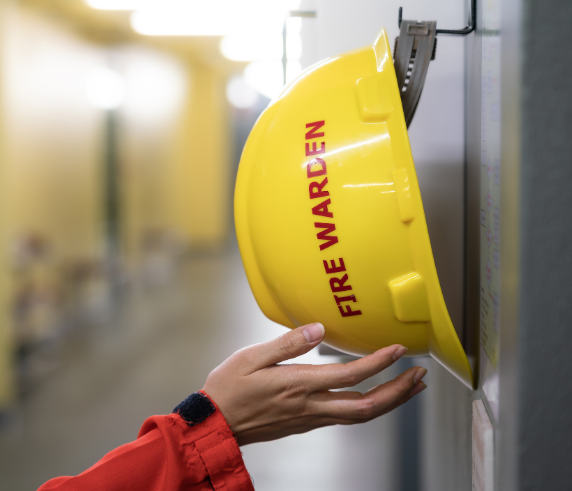
If you do those things, the following time a person asks what colour helmet does a chief warden wear, you will certainly answer white without thinking, and your team will understand exactly who to follow when it counts.
Take your leadership in workplace safety to the next level with the nationally recognised PUAFER006 Chief Warden Training. Designed for Chief and Deputy Fire Wardens, this face-to-face 3-hour course teaches critical skills: coordinating evacuations, leading a warden team, making decisions under pressure, and liaising with emergency services. Course cost is generally AUD $130 per person for public sessions. Held in multiple locations including Brisbane CBD (Queen Street), North Hobart, Adelaide, and more across Queensland such as Gold Coast, Sunshine Coast, Toowoomba, Cairns, Ipswich, Logan, Chermside, etc.
If you’ve been appointed as a Chief or Deputy Fire Warden at your workplace, the PUAFER006 – Chief Warden Training is designed to give you the confidence and skills to take charge when it matters most. This nationally accredited course goes beyond the basics of emergency response, teaching you how to coordinate evacuations, lead and direct your warden team, make quick decisions under pressure, and effectively communicate with emergency services. Delivered face-to-face in just 3 hours, the training is practical, engaging, and focused on real-world workplace scenarios. You’ll walk away knowing exactly what to do when an emergency unfolds—and you’ll receive your certificate the same day you complete the course. With training available across Australia—including Brisbane CBD (Queen Street), North Hobart, Adelaide, Gold Coast, Sunshine Coast, Toowoomba, Cairns, Ipswich, Logan, Chermside and more—it’s easy to find a location near you. At just $130 per person, this course is an affordable way to make sure your workplace is compliant with safety requirements while also giving you peace of mind that you can step up and lead when it counts.